

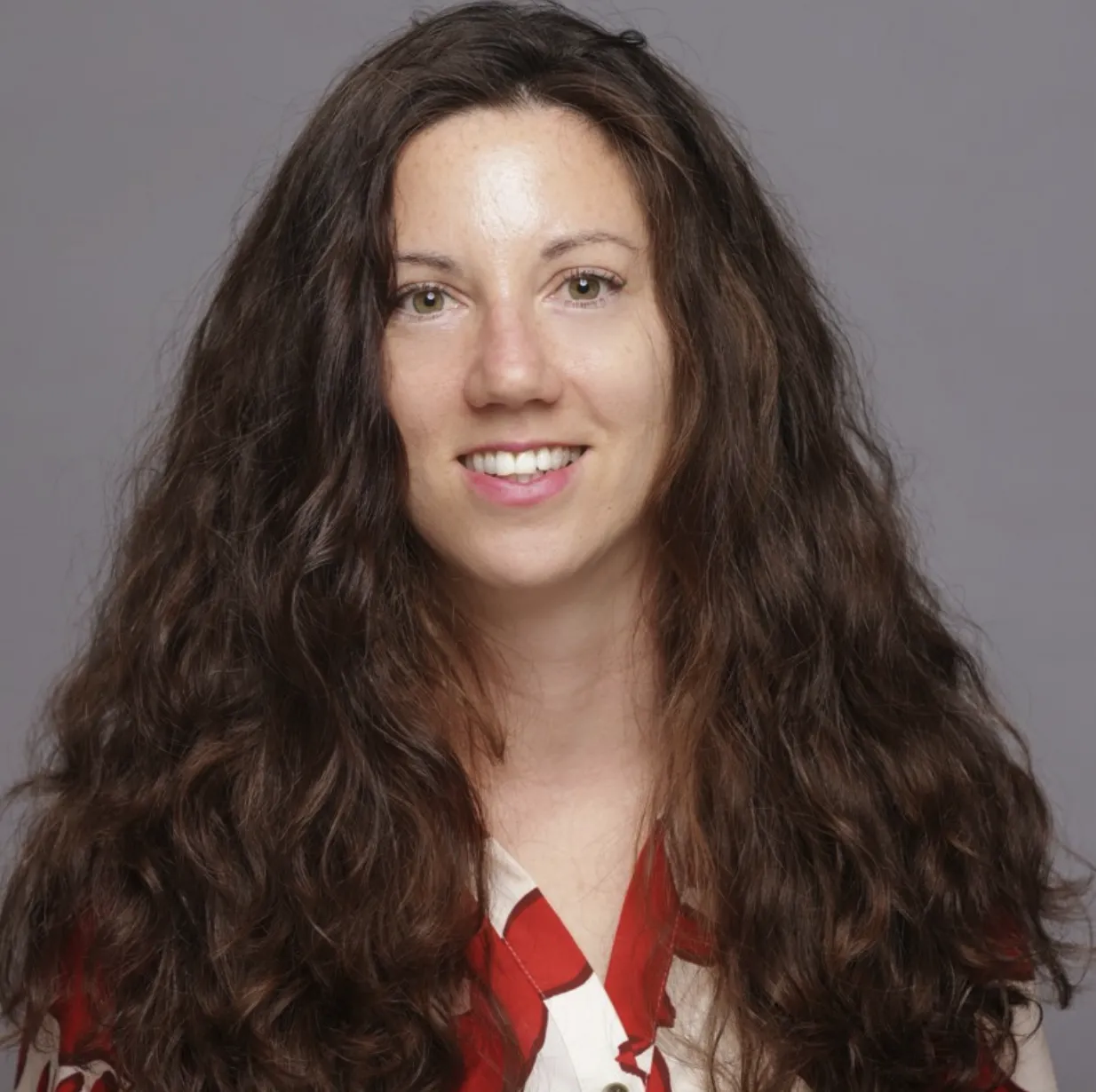
Katherine Klosek
Director of Information Policy and Federal Relations Association of Research Libraries (ARL)Bio
Katherine Klosek is the Director of Information Policy and Federal Relations at the Association of Research Libraries (ARL). In this role, Klosek leads the Association's information policy and advocacy portfolio which includes accessibility, balanced copyright, and online speech. As the staff lead for ARL’s Advocacy and Public Policy Committee, Katherine works closely with ARL members to influence and respond to critical legal, regulatory, and policy developments across legislative, administrative, and judicial arenas.
US Copyright law, bolstered by the Marrakesh Treaty to Facilitate Access to Published Works for Persons who are Blind, Visually Impaired or Otherwise Print Disabled, enables the creation and cross-border sharing of accessible format books. However, U.S. copyright law lacks a statutory provision to comply with Article 7 of the Marrakesh Treaty, which obligates ratifying countries to “take appropriate measures” to ensure that technological protection measures (TPMs) do not hinder accessibility features.
2026 Presentation
It's Only Fair Use the First Time… Right? Debunking Copyright Rules of Thumb
We’ve all heard copyright “rules of thumb” – it’s only fair use the first time; 10% of a work and no more than 1,000 words is the threshold for the “amount and substantiality” of a use under the third fair use factor; the term "eligible persons” in copyright law means a library can only remediate a work in response to a specific request.
These rules of thumb often operate as shortcuts to a true legal analysis, sometimes emerging from flawed assumptions about what terms in copyright law mean, or from outgrowths of community guidelines. And, unfortunately, they can easily short circuit fair use.
In this talk, Klosek and Wolfson will explore the origins of some of these myths, examine what the law actually says and how it maps onto these myths, and invite discussion on how we can collectively educate and inform the broader community about these myths.